
Label Materials
Let’s Get Sticky: 9 Types of Label Adhesives Explained
Label adhesives are just as important as aesthetics. If a label’s adhesive isn’t matched to the application, the result is labels that lift, peel, curl, fall off, or leave residue behind, and that leaves you in a sticky situation.
Not all pressure-sensitive label adhesives are the same. They come in many formulations, and each performs differently depending on the surface it’s applied to, the environment, and the label’s intended use.
Knowing how different label adhesives behave in real-world conditions will help you choose the right label solution for your application.
Adhesive Chemistry
Acrylic vs. rubber label adhesives
Look at the base chemistry of a label adhesive and it will usually fall into one of two families.
Acrylic-based
Resin-based and highly durable. Acrylics resist UV light, weather, chemicals, and temperature extremes, which makes them the most widely used family for their versatility and long-term staying power.
Typical applications: outdoor industrial labeling, bumper stickers, and labels on metal, plastic, or wood exposed to harsh conditions.
Rubber-based
Rubber adhesives grab fast, with strong initial tack, and bond well to uneven surfaces. They hold up less well than acrylics to outdoor elements such as UV and moisture.
Typical applications: indoor shipping and packaging labels on cardboard, wood, or plastic.
Adhesive Types
Label adhesive types and where they are used
Beyond the base chemistry, label adhesives are classified by adhesion strength, performance characteristics, and intended application.
High-performance permanent
An aggressive choice for labels that must endure extreme conditions, moisture, or chemicals. These adhesives are engineered to form a very strong bond, even in challenging temperatures.
Typical applications: product branding on food packaging, caution or warning stickers on consumer goods, and labels on glass, plastic, or paper containers where permanence is essential.
Removable
A semi-permanent solution for labels that need to stay secure, then come off cleanly without damaging the surface or leaving residue. Performance can shift with temperature, and removable adhesives may become more permanent over time.
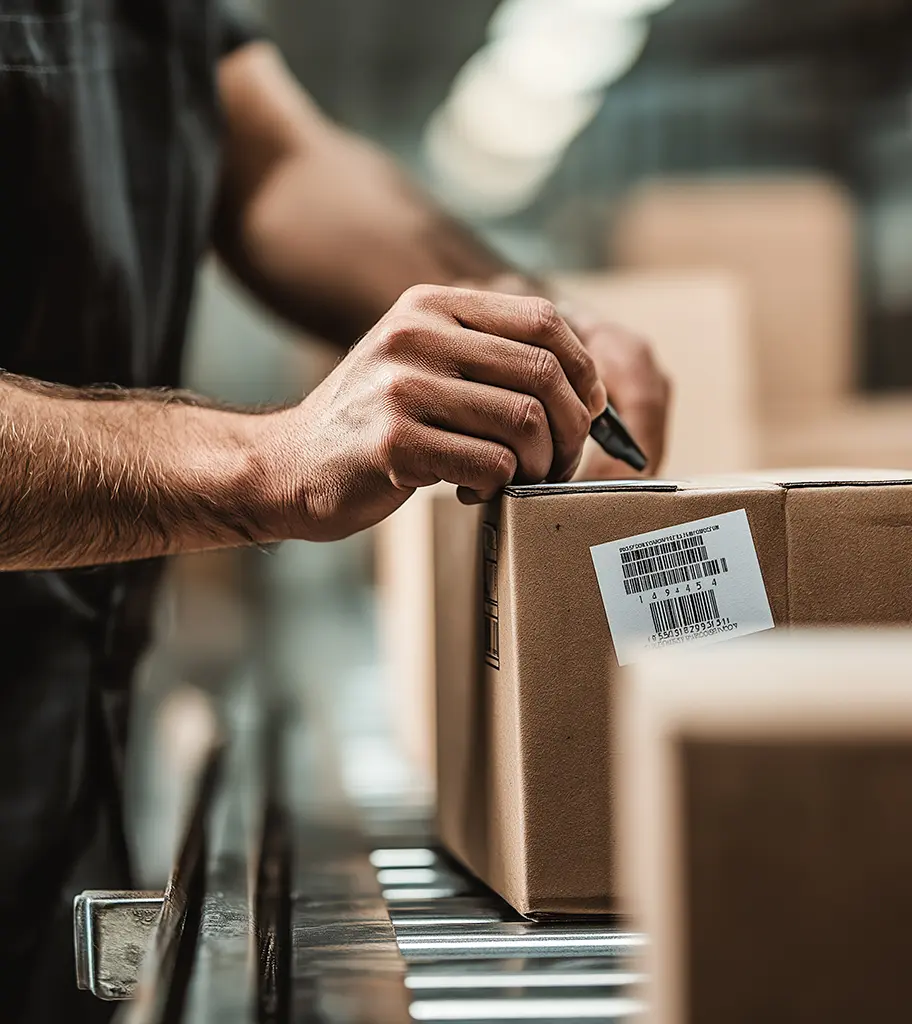
Typical applications: pricing tags on retail items, promotional stickers and store coupons, and temporary labels on smooth plastic or glass that may need updating.
Repositionable
A versatile short-term option for labels that need to be removed and reapplied several times without losing stickiness or damaging the label or surface. Repositionable adhesives may also become permanent over time.
Typical applications: hand-applied labels that may need adjusting (if applied crooked, for example), outdoor bumper stickers, and temporary signage on clean, smooth surfaces like vehicles or windows.
All-temperature
Designed to adhere across a wide temperature range, from room temperature down to freezer conditions. All-temperature label adhesives hold in cold, damp conditions and also have a high service temperature, often up to +150°F or higher.
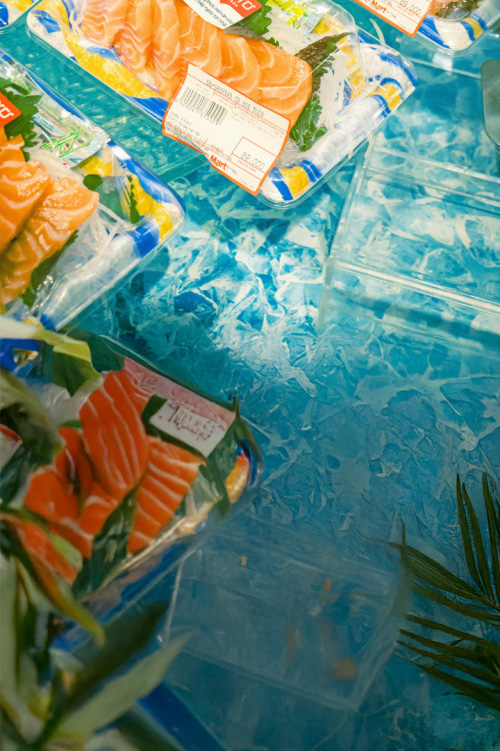
Typical applications: food and beverage products, including items that will be frozen or refrigerated, and products labeled in cold storage before shipping.
Freezer-grade
Formulated to keep adhering at low temperatures, freezer-grade adhesives are built for refrigerated and frozen environments.
Typical applications: food packaging in freezers or refrigerators, and labels on plastics, metals, or other cold-storage materials.
Heat-activated
Unlike pressure-sensitive adhesives, these need heat to activate and form a bond. Often made from thermoplastics such as rubber resins or polyvinyl, they withstand repeated washing and wear.
Typical applications: clothing tags, fabric labels, and textiles such as leather goods.
Water-soluble
These dissolve easily in water and leave no residue, so labels come off cleanly during washing or recycling.
Typical applications: labels on recyclable glass or plastic containers, such as beverage bottles that go through washing cycles.
Good to Know
All-temperature or freezer-grade?
The difference comes down to when the label is applied. Freezer-grade label adhesives are engineered for products that are already frozen, or sitting in a freezer, when the label goes on and while it’s in use.
All-temperature adhesives are for labels applied at a range of temperatures, including room temperature, that still need to hold once the product goes cold.
Performance
How do label adhesives perform?
The performance of label adhesives is measured by three key factors, the same properties covered by industry-standard FINAT test methods.
Tack
The initial stickiness of the label to the surface, before any pressure is applied.
Adhesion
The strength of the label’s bond to the surface once pressure is applied.
Shear
The adhesive’s ability to stay secure under stress and pressure over time.
All label adhesives balance these three qualities differently to suit their application.
Before You Order
Sticking points: questions to ask before choosing custom labels
Choosing the right label adhesives depends on a few key factors.
Surface compatibility
Is the label going on plastic, glass, metal, cardboard, fabric, or another material? Is the surface curved, smooth, or textured?
Environment
Will the label face extreme heat or cold at any point? What about moisture, UV rays, or chemicals?
Label lifetime
How long does the label need to stay on? Will it be handled roughly in manufacturing or transport? Does it need to come off cleanly at some point?
Special processing
Will the label need to withstand processes such as painting or powder coating?
Regulatory changes
Will the label need to be replaced or repositioned if regulatory requirements change partway through production?
Answering these questions up front eliminates guesswork and helps us deliver custom labels that perform exactly as expected.
Troubleshooting
OMG! My labels aren’t sticking!
Work through this quick checklist to track down common problems with label adhesives.
-
Is the label going on a different surface than it was spec’d for? Adhesive performance varies widely with the surface type (glass, corrugated, plastic) and shape (flat, curved, smooth, rough). A label designed for one surface often fails on another, and it can look like something is wrong with the label when the real issue is the mismatch.
-
Are the application and service temperatures within range? Every adhesive has a temperature range for when the label is applied and another for the life of the label. BCS can provide these specifications so you know exactly what your labels are rated for.
-
What condition is the surface in? Dust, oil, moisture, frost, or cleaning residue can keep the adhesive from making full contact. Surfaces should be clean and dry before labeling.
-
How is the label being applied? Pressure-sensitive adhesives need adequate pressure across the entire label surface to form a strong bond.
-
How is the labeled item being handled? Abrasion and rough handling, outdoor exposure, and contact with water, cleaning products, or other chemicals all take a toll. See what happens when asset labels fail in the field.
Frequently Asked Questions
Acrylic adhesives resist UV, weather, chemicals, and temperature extremes, so they suit long-term and outdoor use. Rubber adhesives offer strong initial tack and grip uneven surfaces well, but hold up less well to UV and moisture, so they are best for indoor shipping and packaging labels.
A removable adhesive holds securely, then comes off once without damaging the surface or leaving residue. A repositionable adhesive can be removed and reapplied several times without losing its stickiness. Both can become more permanent over time.
If the product is already frozen, or sits in a freezer, when the label is applied, choose freezer-grade. If labels go on at room temperature and the product is chilled or frozen afterward, an all-temperature adhesive is designed for that.
Tack is how sticky the label is on first contact. Adhesion is how strongly it bonds once pressure is applied. Shear is how well it stays put under stress and pressure over time.
The most common causes are a surface the adhesive wasn’t specified for, temperatures outside its rated range, a dirty or damp surface, too little pressure during application, and rough handling or chemical exposure after labeling.
Label adhesives are grouped two ways. By chemistry, most are either acrylic-based or rubber-based. By performance, the main types are permanent, removable, repositionable, all-temperature, freezer-grade, heat-activated, and water-soluble. The right choice depends on the surface, the environment, and how long the label needs to stay on.
Stick with the right label partner
The right adhesive is critical to the performance of every custom label. With BCS as your label partner, you get proven adhesive solutions, deep labeling expertise, and the guidance to match the right label and adhesive to your application.
TALK TO OUR EXPERTS TODAY | CONTACT US | (908) 429-8574